Why You Need an Emergency Fund
An emergency fund is money set aside for life's unexpected expenses—a car repair, medical bill, job loss, or home repair. Without one, these surprises can force you into high-interest debt that takes years to pay off.
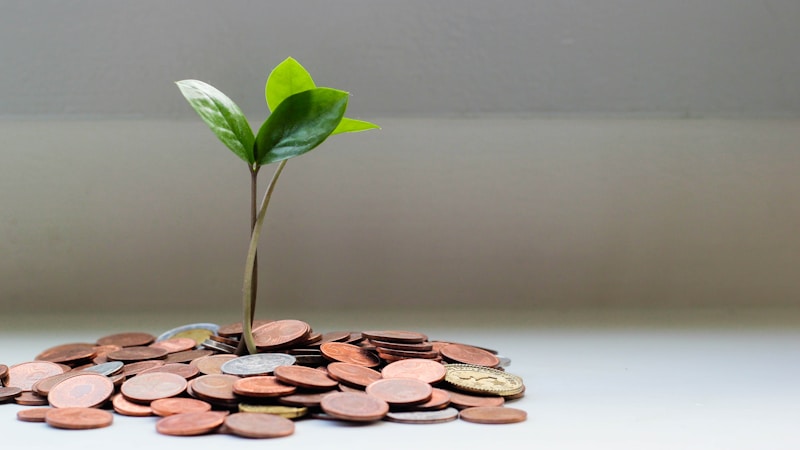
The statistics are sobering: 56% of Americans can't cover a $1,000 emergency expense without going into debt. And the average cost of a single car repair? $500-$600. A single ER visit? $1,389 on average.
💡 The Real Benefit
An emergency fund isn't just about money—it's about freedom. Freedom from stress when things go wrong. Freedom from predatory lenders. Freedom to make decisions based on what's best, not what's cheapest.
How Much Do You Need?
💵 Emergency Fund Calculator
Don't let that number intimidate you! Start with a $500 "starter" emergency fund. Then work up to $1,000. Then one month of expenses. Build step by step.
Where to Keep Your Emergency Fund
| Account Type | APY | Best For |
|---|---|---|
| High-Yield Savings | 4-5% | Best overall choice |
| Money Market Account | 4-5% | Easy access + checks |
| Regular Savings | 0.5% | Already have one |
| Under the Mattress | 0% | Not recommended |
10 Ways to Find Extra Money
☕ Skip Daily Coffee $100/mo
Make coffee at home. A $5 latte habit costs $150/month.
📺 Audit Subscriptions $50/mo
Cancel unused streaming, gym, and app subscriptions.
🍔 Cook More Meals $200/mo
Restaurant meals cost 5x more than cooking at home.
🛒 Use Cash Back Apps $30/mo
Rakuten, Ibotta, and Fetch earn money on purchases you'd make anyway.
📱 Lower Phone Bill $40/mo
Switch to Mint Mobile, Visible, or similar for $15-30/month plans.
🏠 Negotiate Bills $50/mo
Call insurance, internet, and cable providers to negotiate lower rates.

Building Your Fund: Step by Step
-
Open a Separate Savings Account
Keep your emergency fund separate from your checking account. Out of sight, out of mind. Choose a high-yield savings account for better interest.
-
Set Up Automatic Transfers
Automate $25-50/week from your paycheck to your emergency fund. You won't miss what you don't see.
-
Deposit Windfalls Immediately
Tax refunds, bonuses, birthday money, selling stuff—deposit 50% of every windfall into your emergency fund.
-
Review and Increase Monthly
Each month, find one more expense to cut. Add that savings to your automatic transfer amount.
-
Celebrate Milestones
When you hit $500, $1,000, or one month's expenses, celebrate (cheaply!). It keeps you motivated.
How Long Will It Take?
| Weekly Savings | Time to $500 | Time to $1,000 | Time to $3,000 |
|---|---|---|---|
| $25/week | 5 months | 10 months | 2.5 years |
| $50/week | 2.5 months | 5 months | 15 months |
| $100/week | 5 weeks | 10 weeks | 7.5 months |
| $200/week | 2.5 weeks | 5 weeks | 4 months |
What Counts as an Emergency?
✅ Real Emergencies
- • Job loss / reduced income
- • Medical or dental emergency
- • Car breakdown (needed for work)
- • Essential home repairs
- • Emergency travel for family
❌ Not Emergencies
- • Concert tickets on sale
- • New phone release
- • Vacation "deals"
- • Holiday shopping
- • Upgrading TV or furniture

Final Thoughts
Building an emergency fund is one of the most important things you can do for your financial health. It protects you from debt spirals, reduces stress, and gives you options when life throws curveballs.
Start today. Even if it's just $10. Open that savings account, set up that automatic transfer, and begin your journey to financial security. Your future self will thank you.
